The French art of living has its website Live in France like the French

STORY

PICTO GOURMAND Created with Sketch.

Tea in France

Savoring the moment while sharing a steaming cup served in pretty porcelain: although tea is often associated with English culture, the consumption of this beverage, which originated nearly 5,000 years ago in China, is perfectly in tune with the French lifestyle. Let's take a look back at the history and current consumption of this beverage, which has carved out a place for itself between coffee and chocolate in the daily lives of the French.

From the East to Europe: tea's thousand-year journey

It was around 2700 BC that a Chinese emperor is said to have discovered the virtues of this drink by chance, when camellia leaves fell into hot water. Many centuries later, in 1606 to be precise, tea arrived in Europe, first stopping in the Netherlands thanks to the Dutch East India Company.

Although it quickly spread across the continent, it was particularly embraced by England when a Portuguese princess imported the custom of tea time by marrying King Charles II in 1662.

Perceived as very refined, this social ritual first appealed to the aristocracy and then to the entire population. Forty-four years later, Thomas Twining dedicated the first tea room in history to it in London.
In France, too, it was under the influence of the court and the elites that tea, still imported thanks to maritime trade with Asia, gradually won over the French.

Praised in particular for its digestive properties, it nevertheless remained a luxury product for a long time before the emergence of tea rooms made it more accessible in the 19th century. The first tea room still exists today: it was opened in 1862 by Louis-Ernest Ladurée in Paris.

A baker and pastry chef, he also gave his name to a brand, not of the famous drink, but of macarons, those little treats (invented by his grandson) that are particularly enjoyable... with a cup of Mister Twining. 

Why tea speaks to French culture

Green teas, black teas, flavored teas, herbal teas, wellness infusions... The tea market in France is adapting to the tastes and expectations of quality and well-being of a population that, while still preferring coffee, is increasingly incorporating tea into its daily life. In 25 years, consumption has tripled, and in 2024, 66% of French households bought tea (loose, in bags, in reusable and collectible containers).
The proliferation of brands and the boom in tea rooms are further proof of the popularity of this beverage, which, as a supreme asset, fits perfectly with two of the pillars of the French art of living:

  • Elegant conviviality: cozy settings, porcelain cups, sweet treats to accompany the tea. In France, tea time is an opportunity to enjoy a moment of calm amid the hustle and bustle of modern life or, as in the literary salons of the 19th century where it was already very popular, to share thoughts in good company.
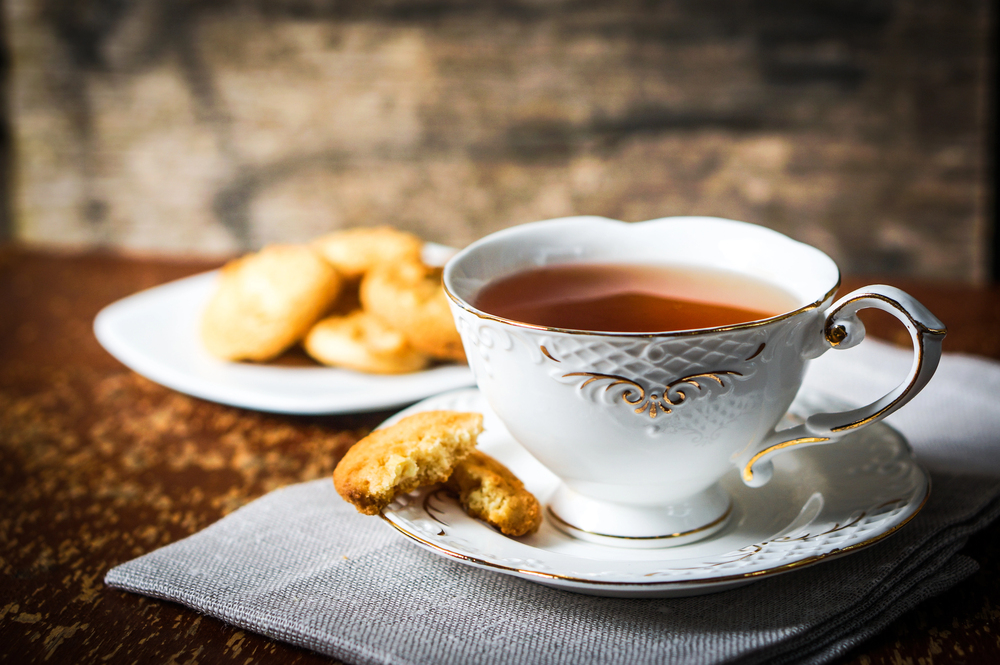
  • Sensoriality. In the land of gastronomy, the rituals of preparation, the variety of aromas, and the delicacy of certain infusions invite guests on a journey of taste and smell, something the French have historically been sensitive to.

Today, Michelin-starred restaurants and luxury hotels serve teas renowned for their subtle aromas, such as those from Betjeman & Barton

The English institution, which opened its first Parisian tea shop in 1919, still operates two locations in the capital with a concept that combines a cabinet of curiosities, a charming flea market, and cozy English salons.

At 23 Boulevard Malesherbes in the 8th arrondissement and 24 Boulevard des Filles du Calvaire in the 11th, exceptional teas and tea-related lifestyle items (eccentric teapots, vintage pieces, delicate accessories, etc.) have been available for over a century. Proof that, while tea has long symbolized British elegance, it finds a natural echo in France: that of a lifestyle where a taste for beauty, conviviality, and the pursuit of refinement make each cup a true moment of shared culture.


Valérie from Comme des Français