The French art of living has its website Live in France like the French

STORY

PICTO GOURMAND Created with Sketch.

Cervelle de canut

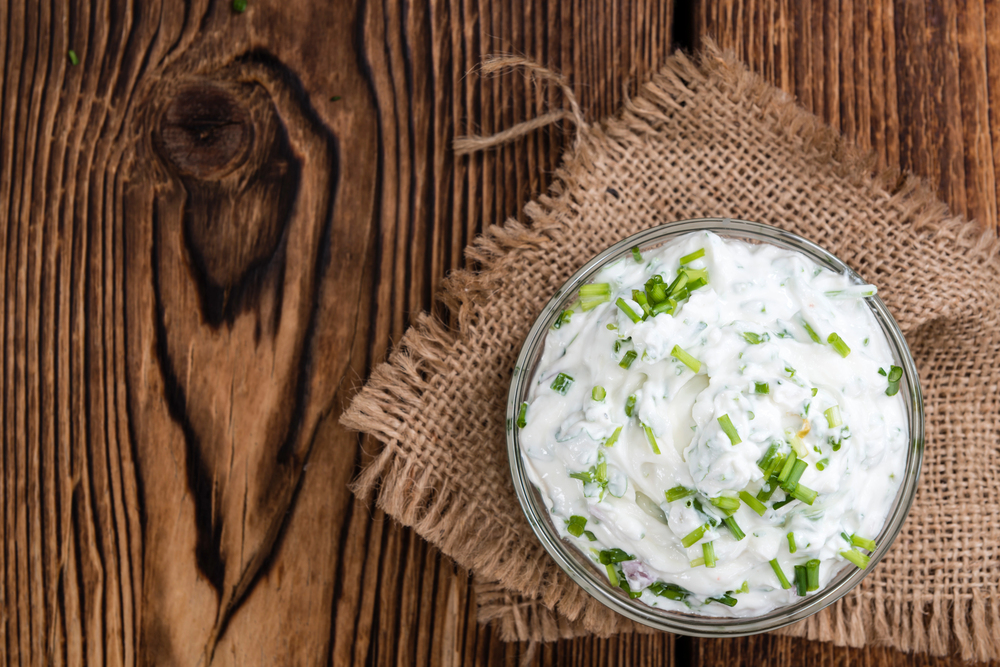
Although its name may seem off-putting at first, this dish has been a staple of Lyon cuisine since the 19th century. A cheese specialty flavored with garlic and parsley, cervelle de canut is typical of Lyon's bouchons (traditional restaurants) and their ancestor, the mâchon. Between working-class history, wordplay, and tradition, discover this simple but generous recipe that embodies the popular spirit of the capital of Gaul.

Origins

Remembered for their revolts that profoundly influenced labor laws, the Canuts worked in difficult conditions in the Croix Rousse neighborhood. To feed themselves, they needed quick, nutritious, and inexpensive meals. Cervelle de canut was born out of this necessity: a simple but filling cream made from fresh cheese (often fromage blanc or faisselle) seasoned with garlic, parsley, salt, and pepper, sometimes with a dash of vinegar or a little olive oil.

Served on toasted croutons, it was eaten with a spoon, as a starter or snack during the mâchons lyonnais, morning meals directly inherited from silk weavers, which generally consisted of cold meat, cheese, charcuterie, and white wine.

Also known as claqueret, as the original faisselle was beaten to achieve a creamy texture, its name has not one but three possible origins:
  1. Proletarian humor: factory workers may have given it this name to mock their “lack of brains” after a day's work or, ironically, to emphasize that they could not afford to buy lamb brains, another typical dish of France's very first working-class city.
  2. A bourgeois insult: less funny, the name could refer to the poor opinion that bosses had of these workers, who went down in history for fueling the great social movements of the 19th century.
  3. The visual analogy: faisselle, white and creamy, resembles brains when crushed and seasoned.

In any case, this name, which could mislead zombies, has stuck and continues to pay tribute to the textile workers who contributed greatly to the economic development of what is now the capital of the Auvergne-Rhône-Alpes region.

How to enjoy and where to find cervelle de canut in Lyon

A must-try at the equally unmissable bouchons, this fresh curd cheese drained in a faisselle is served cold on toasted bread croutons or potatoes, sometimes with a little vinaigrette or a touch of Espelette pepper.

Some chefs revisit it with fresh herbs, walnuts, or even a hint of truffle, but the classic version remains the most popular and can be served as an appetizer, on toast, or with cheese.

To enjoy it as it should be enjoyed, head to an authentic bouchon in Croix-Rousse or Guillotière. In these old neighborhoods, you'll find these three places in particular:
  • Le Bouchon des Filles (Old Lyon)
  • La Mère Brazier (Place des Terreaux)
  • Le Petit Bouchon (Croix-Rousse)
And if you prefer to make it at home, here is the basic recipe (serves 4):

  • 500 g fromage blanc or faisselle cheese
  • 2 cloves of garlic, finely chopped
  • 1 bunch of flat-leaf parsley, chopped
  • 1 tablespoon olive oil
  • 1 teaspoon white wine vinegar (optional)
  • Salt, freshly ground pepper
  • Toasted bread croutons

Mix all the ingredients together, leave to rest for 30 minutes in the fridge, then serve on the croutons. Accompany with a dry white wine (Sauvignon or Chardonnay) or a light red (Beaujolais).

A true piece of Lyon's history, cervelle de canut is much more than a simple, inexpensive dish served on croutons. Tasty, generous, rooted in the local terroir and the daily lives of workers of yesteryear, it embodies the popular spirit of Lyon. And, just like in the 19th century, it can still be enjoyed without moderation (and without brains, we promise).


Valérie from Comme des Français


----

Continue reading with these articles about Lyon