The French art of living has its website Live in France like the French

STORY

Created by potrace 1.16, written by Peter Selinger 2001-2019

Premium billiards made in France

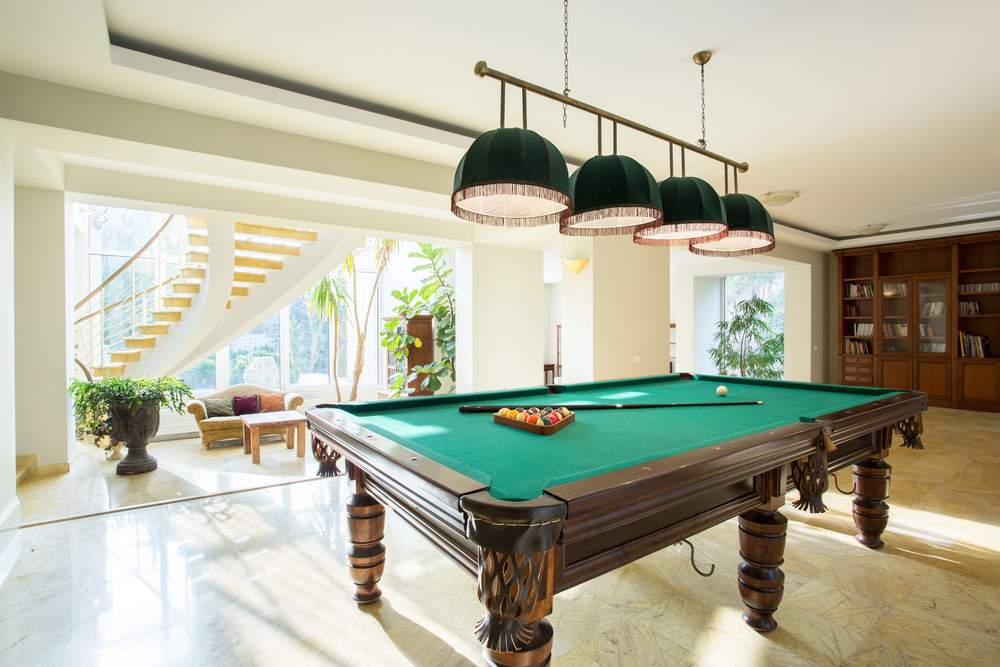
No plastic, no mass production, no standardization, just precious wood, skilled hands, and a tradition dating back to the 17th century. Handcrafted French billiards is much more than a piece of gaming furniture: it is a heritage, a way of life, a living room object that embodies French elegance.

A game of royal origin that has become a way of life

Billiards as we know it today originated in France in the 18th century.

In Versailles, during the reign of Louis XIV, this game of strategy and precision was played in the king's private salons. A symbol of refinement, in the 19th century it found its way into literary cafés, private clubs, and mansions.

It was during this period that Napoleon, a true enthusiast of this leisure activity combining power and reflection, had a billiard table installed in each of his residences (Tuileries, Fontainebleau, Saint-Cloud).

One of his successors to the highest office in France, François Mitterrand, also played often at his residence in Latche because, he said, it helped him to think and take a step back.

For Jean Cocteau, billiards was more appreciated for its convivial dimension. 
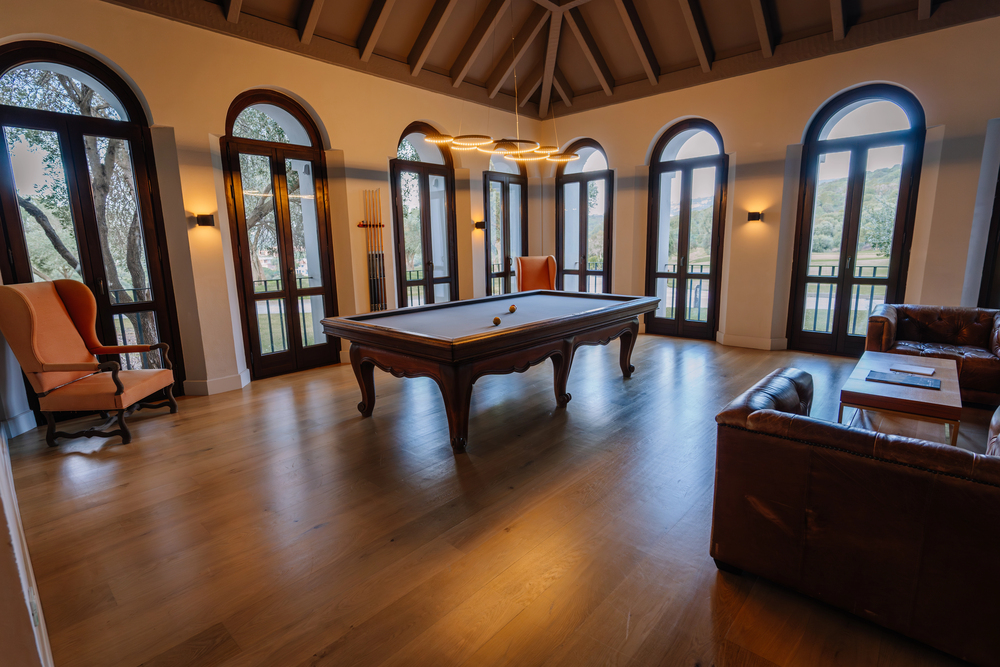
Around the iconic green-felt-covered table, he would gather Pablo Picasso, André Gide, and Arletty, among others, at his villa in Milly-la-Forêt for long games that stimulated both conversation and inspiration.

Another French artist who enjoyed this timeless pastime was Serge Gainsbourg, who often played alone or with friends in his Paris apartment, which is now open to visitors. It was a way for him to concentrate and relax between recording sessions and tours.

Yves Saint Laurent also enjoyed playing it to relax at his vacation home in Marrakech. There is no doubt that the famous fashion designer was also sensitive to the elegance of this object, the result of precious and preserved craftsmanship. 

French craftsmanship at the heart of premium billiards

From the Palace of Versailles to today's living rooms, billiard craftsmen continue to perpetuate a centuries-old art. 

In discreet workshops, often in Normandy, Alsace, or Provence, they adhere to four key principles of production:
  • The choice of wood: often sourced from local forests and requiring several years of drying, it is mainly beech, oak, or walnut.
  • Assembly: like 18th-century cabinetry, it is done without screws or glue, using only tenons and mortises. 
  • The felt: made of wool, hand-woven and naturally dyed, it is historically green.
  • The finish: each billiard table is unique, sometimes engraved with the owner's name and always well-oiled and waxed for optimal preservation. 

If you need to be patient when playing billiards, you also need to be patient when buying one. As each piece is adjusted by hand, each angle checked, and each surface meticulously sanded, billiard tables made in France require a lead time of 3 to 6 months before being able to embellish their living room with this object as prestigious as a piece of furniture.

For four centuries, French billiards has told a story of hands, wood, kings, and culture. A place of tension and strategy in a scene from the film “Le Samouraï” (Jean-Pierre Melville, 1967), of flirtation and conviviality in “Les Parapluies de Cherbourg” (Jacques Demy, 1964) and of memory and serenity in “Les Choses de la vie” (Claude Sautet, 1970), this discreet luxury item fits perfectly into the French art of living with its elegance, conviviality, and invitation to take your time.


Valérie from Comme des Français


----

Continue reading with these articles