L'art de vivre français a son site Vivre en France comme des Français

STORY

Created by potrace 1.16, written by Peter Selinger 2001-2019

Regional flags: what the colors and symbols of our territories tell us

Regional flags hold an important place in French heritage. They do more than simply identify a territory; they also tell a story, reflect a culture, and express a sense of belonging to a region. Their colors, shapes, and emblems make it possible to immediately recognize local identities, some of which date back centuries. Behind each design often lies a reference to a historic province, a tradition, a noble family, or a significant event.

Symbols inherited from local history

The flags of France’s regions often trace their origins to ancient provinces, duchies, counties, or historical coats of arms. Some feature medieval motifs, such as crosses, heraldic animals, or colors that have been associated with a territory for centuries.

These elements have stood the test of time and continue to be used to represent communities deeply attached to their heritage. These emblems serve as a reminder that France was built upon numerous local identities. Before the current administrative regions came into existence, each territory already had its own traditions, references, and symbols.

Regional flags preserve part of this history and help pass it down from generation to generation. They thus serve as accessible historical landmarks, capable of telling a region’s story without the need for lengthy explanations.

Colors that are never chosen at random

Red, white, black, blue, and gold often appear in regional flags. These colors generally have a specific meaning. They can evoke power, courage, peace, nobility, the sea, the land, or even an ancient dynasty.

Their interpretation varies depending on the region’s history, but they always contribute to the creation of a cohesive visual identity. The shapes used are also significant. Crosses, stripes, ermine patterns, animals, or geometric designs are often linked to local history.

Their combination gives rise to emblems that are instantly recognizable at events, ceremonies, or public gatherings. This visual simplicity partly explains why flags continue to leave a lasting impression.

Emblems that express a strong identity

Some regional flags have become true cultural symbols. They are visible at festivals, sporting events, local celebrations, cultural events, and community gatherings.

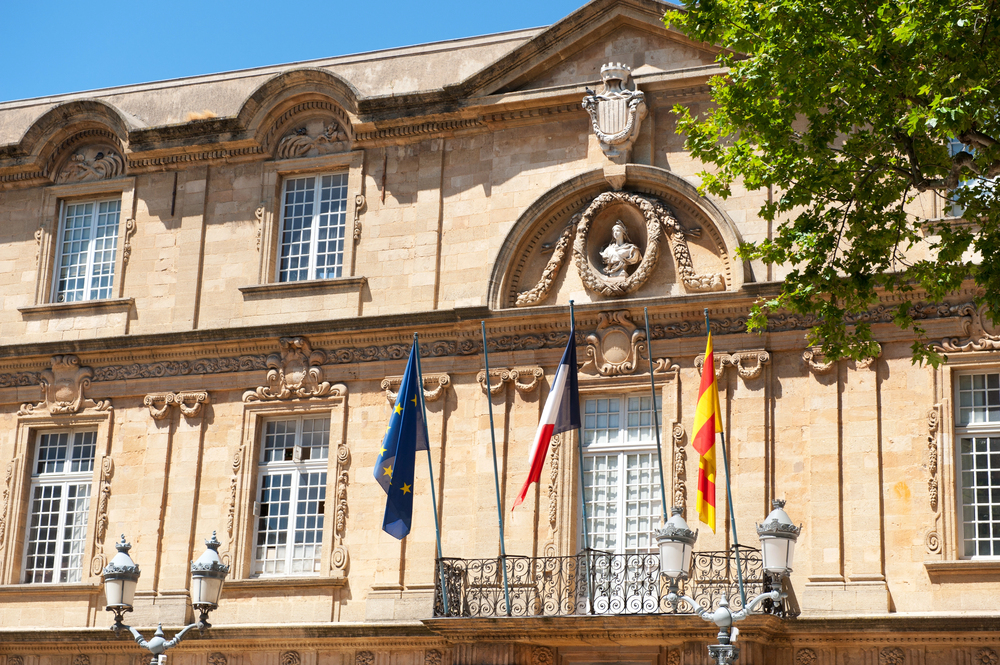
They can also be displayed on buildings, in stores, in gardens, or in private homes. Their presence reflects a sense of attachment to the region, its traditions, and its history. For many people, displaying a regional flag is a way of asserting their origins, culture, or sense of belonging.

This aspect of identity explains why these emblems continue to hold an important place, even as administrative boundaries change. Borders may change, but the symbols to which residents are attached often remain the same.

A visual heritage that is still alive

Regional flags are not frozen in the past. They are still used in very contemporary contexts, particularly at sporting events, cultural gatherings, or local initiatives.

They serve to represent a region, but also to create an atmosphere, bring people together, and enhance a region’s visibility. In a society where imagery plays a central role, the flag remains a particularly effective medium.

Just a few colors and symbols are enough to convey an identity and foster a sense of belonging. Easy to recognize and visible from a distance, it naturally finds its place in public spaces, stadiums, festivals, and venues for celebration.

A link between heritage and daily life

Regional emblems are present in both official ceremonies and everyday life. They can be part of a celebration, decorate a venue, show support for a team, or represent a region at an event.

They also appear on decorative items, clothing, accessories, and materials intended for both residents and visitors. This diversity of uses shows that flags are not reserved for institutions. They are fully integrated into local life and cultural customs.

Their power lies precisely in this ability to connect historical heritage with contemporary practices. They allow an ancient symbol to remain alive in modern contexts without losing its meaning.

Symbols that reflect France’s diversity

Through their colors and patterns, regional flags offer a different perspective on France. They serve as a reminder that the country is made up of territories with diverse histories, traditions, and identities.
This diversity does not conflict with national identity; on the contrary, it is one of its greatest assets. Whether used at an event, displayed in a public space, or preserved as a family heirloom, they remain imbued with meaning. They provide a deeper understanding of the richness of local cultures and the way in which each region continues to assert its identity.  They offer a deeper understanding of the richness of local cultures and the way each region continues to assert its identity.

By linking history, heritage, and contemporary customs, regional flags remain visible testaments to the diversity of France’s regions. They tell the story of France through its differences, its legacies, and the symbols that its inhabitants continue to keep alive.

Valérie from Comme des Français


----

Continue reading with these articles on French traditions: